
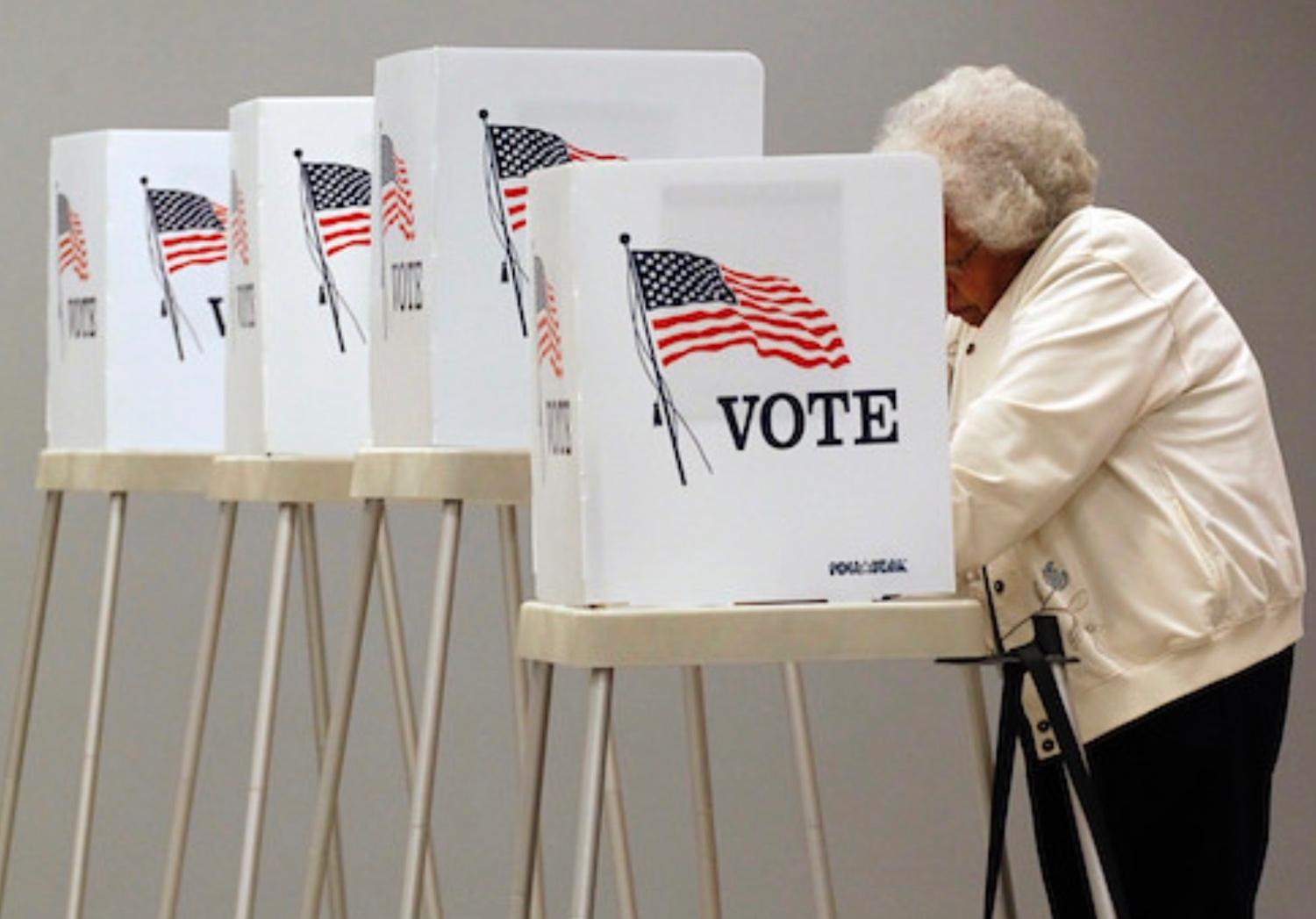
From federal elections to local elections to reality TV, I keep catching myself asking: who is behind these votes?
The Congressional Research Institute explains that the idea of the secret ballot began in the Gilded Age, when the transparent glass ballot box was replaced with the private ballot we know today. The goal was to reduce election violence, intimidation, and bribery. Whether you agree with this being the “cornerstone of modern democracy” or not, it is easy to see that we have drifted far away from the idea of a secret vote.
Gone are the days of digging for someone’s voting records or registration history. Now, if you have a few minutes during a commercial break, you can find out who your favorite influencers, celebrities, or even family members voted for, because it is typically displayed on social media. But what happens when your love for politics clashes with your favorite hobbies in the worst way? Do you still support the idea of a private vote then?
This past season of Love Island USA showed record engagement and voter turnout, but many long-term fans were disappointed by how newer fans influenced the results. We are now seeing similar frustrations in the newest season of Dancing With The Stars. As a chronic reality TV enthusiast, this has me and many others questioning the future of fan-based voting. With people online calling for less fan control and more judge control, I cannot help but wonder what that says about the trust we have in each other to vote “rationally.” With the ever-growing echo chambers created by algorithms, what does it say about our ability to understand how others could vote differently from us at all?
On the flip side, Axios reports that half of Gen Z voters and one in four U.S. voters overall have lied to people close to them about who they voted for. With the pressure of social media and
judgment from friends and family, many claim that “the new social etiquette is to play Switzerland.” Meanwhile, 58 percent of voters still say voting is a personal matter.
So, where do we draw the line? When the personal vote is in our favor? If the vote applies only to a reality show, we can choose not to watch. Personally, I would love to know who is voting for Andy Richter, but as a Dylan Efron fan, I understand the feeling of TikTok being collectively against you. Still, it would be ignorant to assume there is no crossover between the silent voters in major elections and the people deciding the fate of the mirrorball trophy.
When political voting and entertainment voting start to look the same, the meaning of a vote begins to shift. It becomes less about choosing who deserves to win and more about who we want to be seen supporting. Whether it is a presidential candidate or a reality show contestant, a vote is no longer just a decision. It becomes part of who we are, how we present ourselves, and what we want others to believe about us. That might be the most revealing part of all of this.



.png)

