A period film about ping pong does not immediately scream “box office success,” but Marty Supreme has managed to mold itself into independent film studio A24’s highest-grossing film to date, generating $147 million USD globally.
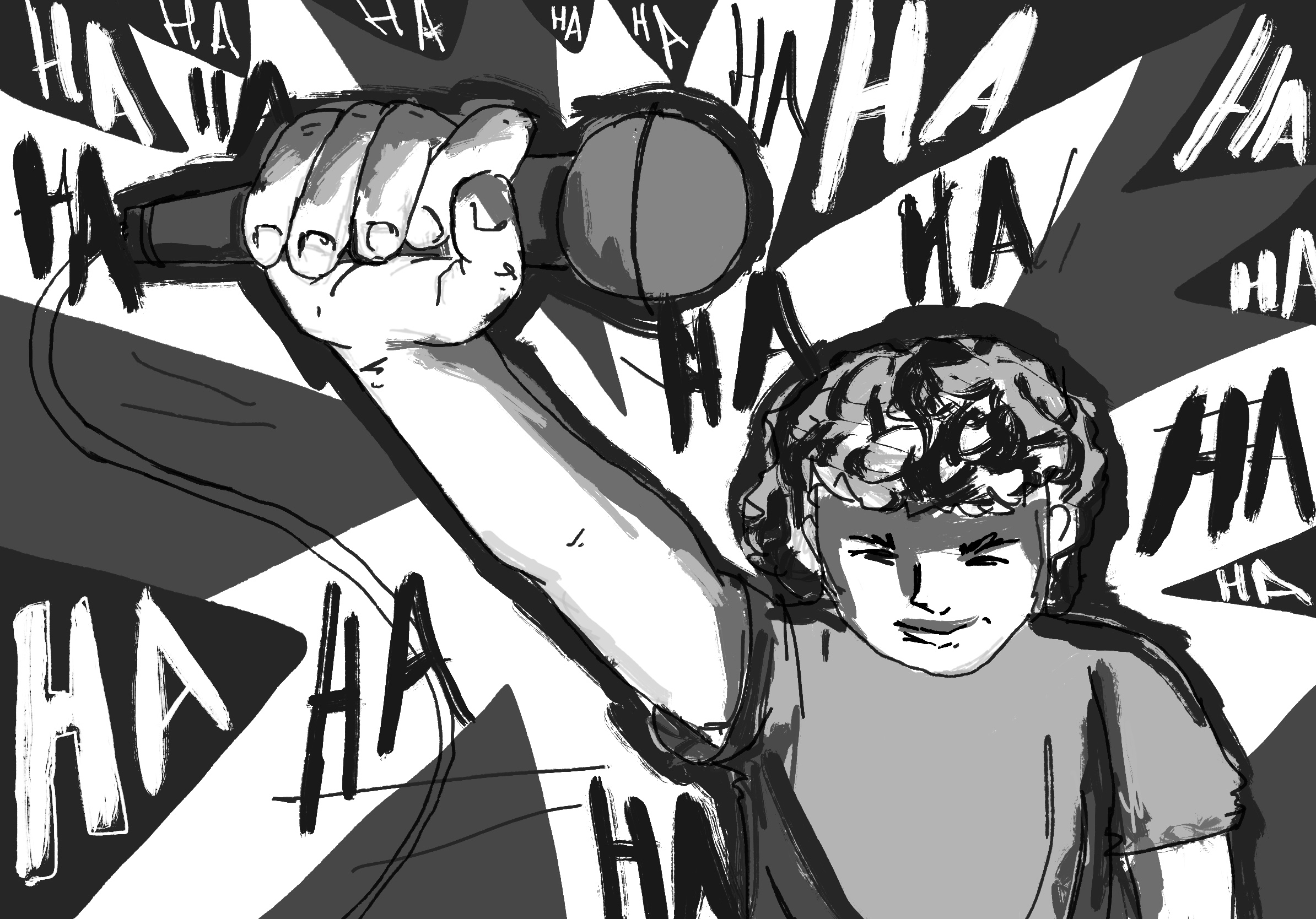
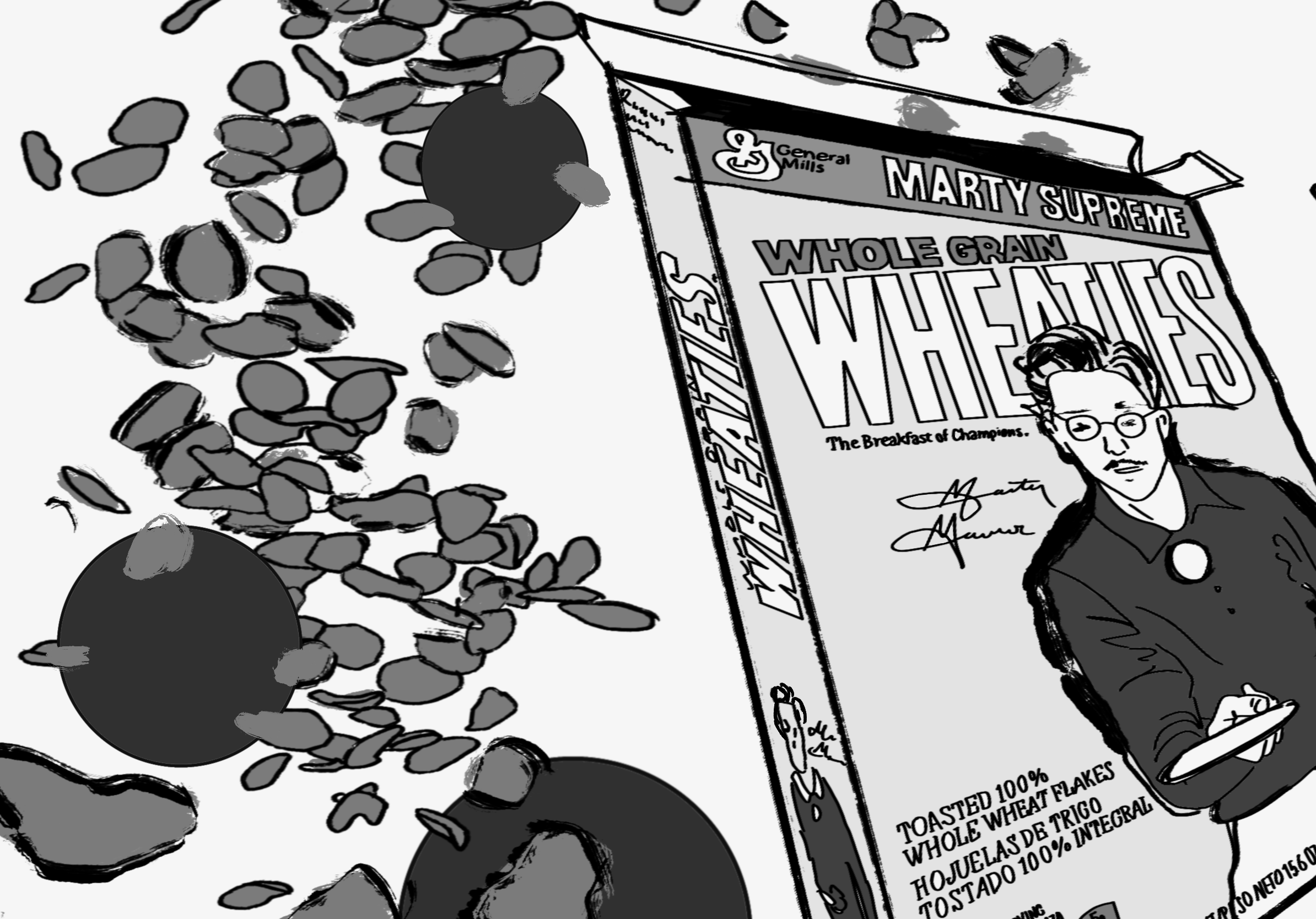
Directed by Josh Safdie, co-produced by and starring Timothee Chalamet, Marty Supreme was released on Christmas Day of 2025. It is a sports-comedy drama about Marty Mauser, an obsessive table tennis player pursuing greatness in post-WWII New York. What did this film do to attract such success? Was it the orange blimp in the sky? The Wheaties cereal boxes featuring Chalamet? Or was it the Las Vegas Sphere being turned into a giant ping pong ball?
A24 is known for its low-budget but creative movie marketing campaigns. This studio does it differently than Hollywood. They created a Tinder profile for an AI robot to promote Ex Machina (2015), delivered creepy dolls to those who attended the midnight screening of the horror film, Hereditary (2018), and got the New York Stock Exchange to display bachelors’ personal traits — such as height, turn-ons, and income — on their live ticker to foreshadow the romantic comedy, Materialists (2025).
A24’s marketing campaigns have famously catered to a young generation of viewers who are more likely to be captivated by innovative and interactive cultural phenomena than a simple movie trailer. Yet the campaign for Marty Supreme was on another level.
Forget the blimp, the cereal, and even the bright orange ball in the Vegas skyline. Watch Chalamet pitch the idea of painting the Eiffel Tower orange in a viral 18-minute “leaked” Zoom conference video.
The absurdity of it all suggests that Chalamet is playing a persona, one that mirrors his film’s titular character. Marty Mauser is naively ambitious, obsessively career-oriented, and a little full of himself. At the same time, Chalamet did state that he was “in pursuit of greatness” during last year’s Actor Awards, and that was before the Marty Supreme marketing campaign.
Chalamet’s commitment to acting is widely acknowledged and respected, but if this mock conference video sparked anything, it was confusion: what game is Chalamet playing? Was his “greatness” speech part of the act, and is this what acting and filmmaking has come to — a marketing gimmick?
These questions were in the air, and the confusion translated into buzz.
Seeing how well this film has sold, many people now say that the campaign was genius. Chaotic, but genius. It used fragmented happenings — upload a comedic video here, feature Chalamet rapping in EsDeeKid’s music video there, get celebrities to wear the brand jacket everywhere — to leave audiences constantly curious and generate visibility for the film.
In advertising, visibility is key, and today’s advertisements circulate in a fragmented fashion. It is no longer as straightforward as putting up movie posters in the subway station. If you want to market a film, social media is fertile ground, but this algorithm-driven market is also tricky to tap into.
Since algorithms are based on people’s viewing habits and demographics, “a film can overwhelm one corner of the Internet while remaining completely invisible to most of the general public,” says Trill Magazine writer Charity Maxson. In other words, it has become increasingly difficult for new films to get discovered by a wide range of audiences.
By playing into the fragmentary state of our digital culture, Marty Supreme’s unconventional marketing efforts seem to have worked, but was it necessary?
An invigorating score by Daniel Lopatin; a delicately paced story that keeps you at the edge of your seat and results in an emotionally charged climax; scene compositions that dance beautifully on the borderline between being too messy and too ornamental — the movie was good. It was phenomenal, actually. Marty Supreme has received nine Oscar nominations.
What is more, this comedy-drama boasts the involvement of various A-list creatives. Besides Chalamet, the film featured Gwyneth Paltrow, Fran Drescher, and Odessa A’zion. Director Josh Safdie, formerly part of the Safdie Brothers, had already made a name for himself with previous films like Daddy Longlegs (2009) and Uncut Gems (2019). It would have been no surprise to someone who loves movies that Marty Supreme was high-quality.
Considering the above, this film did not need an extensive marketing campaign to encourage cinephiles to watch it, yet here is the thing: even independent film companies such as A24 are targeting not just cinephiles, but everyone.
One is left to wonder how much of the Marty Supreme hype is due to the movie’s quality or its marketing campaign. That may well be a “chicken-or-the-egg” question. Regardless, this movie exemplifies how inseparable filmmaking and marketing have become.
Today, films are not only a form of art, but also a commodity.
It is tempting to react with nostalgia and reminisce at the “purer” times when artists made art for art’s sake, but as an artist you want your work to be seen, and that process is admittedly facilitated by marketing. Did a “purer” time ever exist before, or has the digital world simply made the connection between art and marketing more pronounced and the possibilities more supreme?