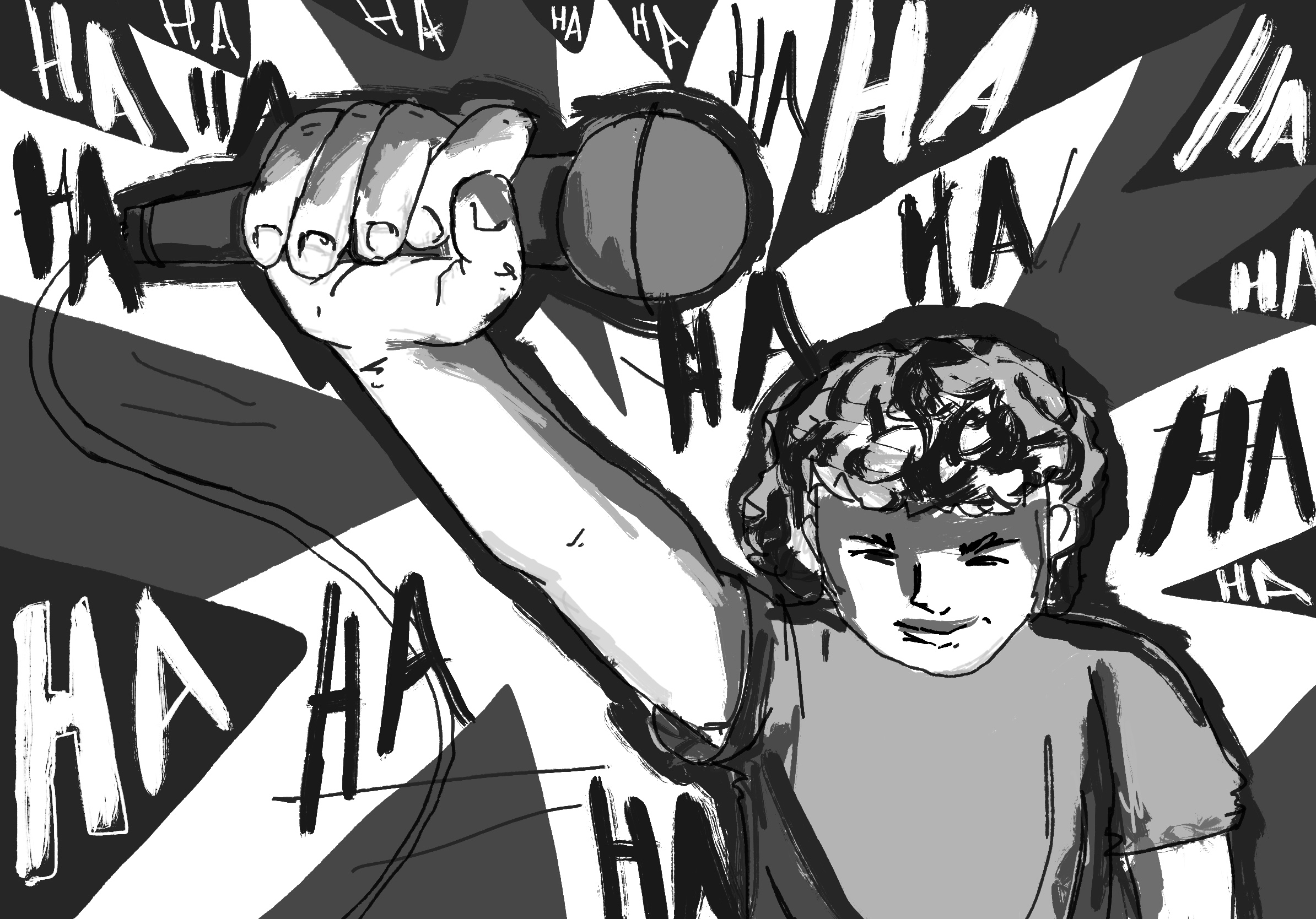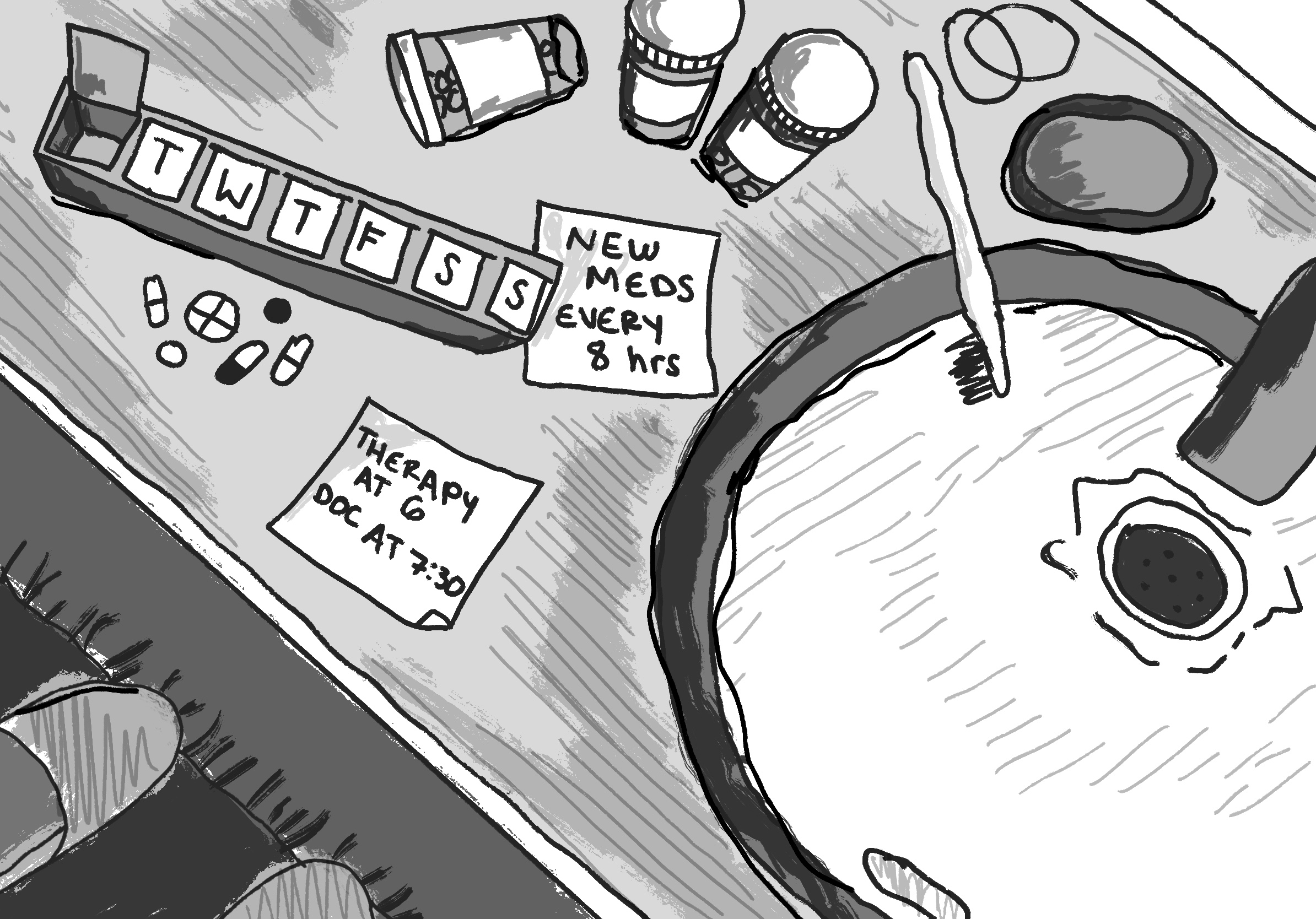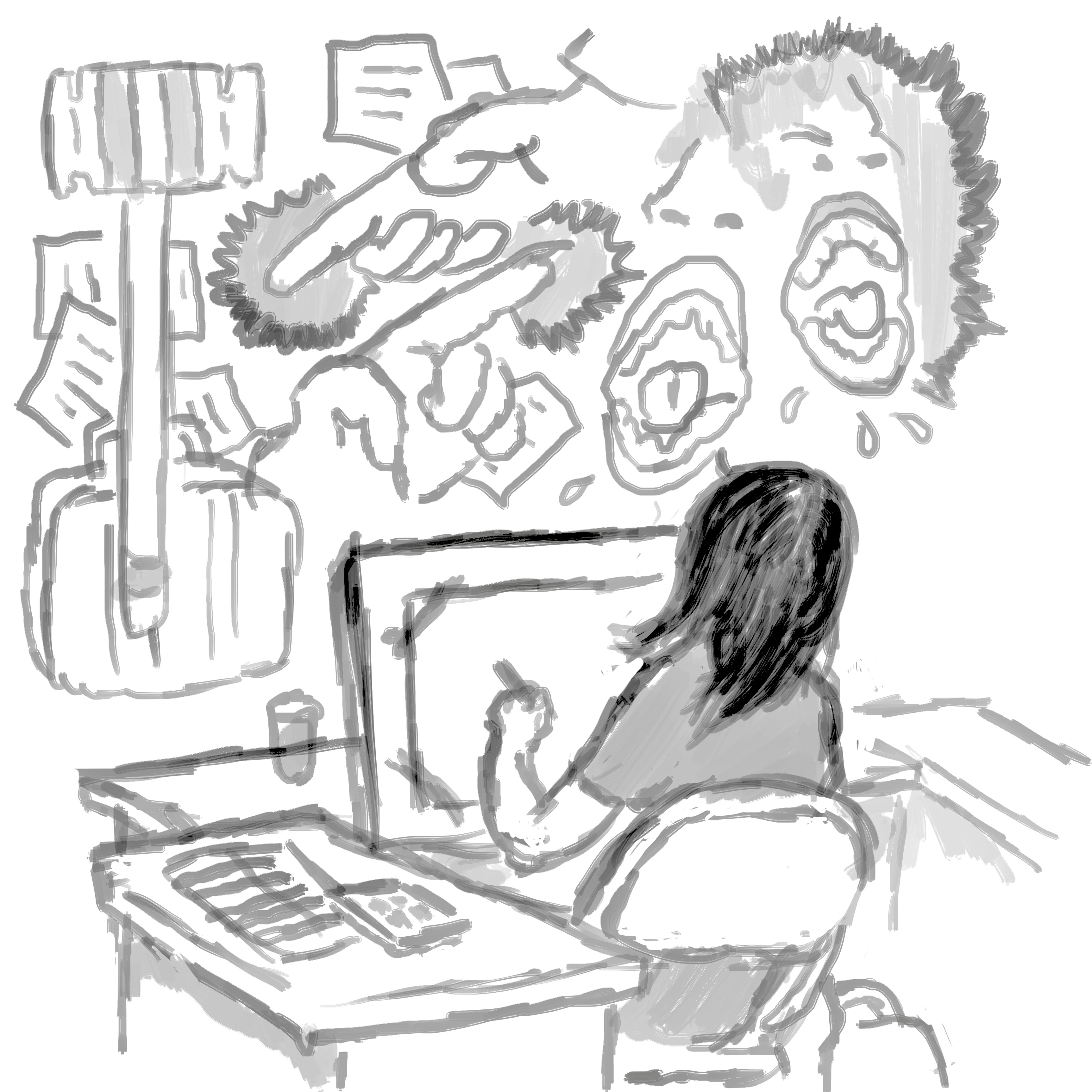
There are many archaic traditions that trickle down into modern day happenings. This is often seen in governments and their institutions. The effects of these lingering traditions are often negative, leading to deeply rooted issues within social and legal institutions, norms, and practices. However, these traditions also lead to the very distinctive look of places like courtrooms, with judges in powdered wigs, gavels, Bible swearings, and the like. Another tradition that carries on today is the one of courtroom sketches and paintings.
There was a far more obvious need for these drawings during times when photography did not exist or was too slow for the active courtroom setting. However, now that we have high speed cameras and even recording technology, you would think the need for sketching and painting would be obsolete. So what is it that makes courtroom art such a long-lasting tradition? Is it just another stubborn form of monarchy pageantry, or does it really have use in the modern courtroom?
In October of 2024, I sat down with my parents to watch the news. It was then we saw reports of the Gisèle Pelicot trial in France. The report described the proceedings of the trial, including the fact that Mrs. Pelicot had been subjected to watching hours of footage of her own sexual assault perpetrated by the 51 men on trial. This was flooring news and began several social movements in France around the treatment of women and sex trafficking. What I found sort of bizarre, however, was that many of the photos used for the report were not photos at all, but watercolour paintings done by artists like Benoit Peyrucq and Valentin Pasquier.
The biggest reason for these sketches taking priority over photos was simply because photography and media recording in the courtroom is prohibited without explicit consent from the parties recorded. As such, there were not many media photos released of the trial at all.
The impact of what seems a small privacy law goes far beyond the courtroom. The movements that emerged in the wake of the Gisèle Pelicot trial criticized the defendants, many of whom were fathers and community members. Many of the signs used during protests used drawings of Pelicot as opposed to photos. Even the German Vogue, who had the story of the trial as their feature, used a drawing of Pelicot instead of a photo of her.
Sketches and photography are both art forms that can be used to create images which sway the hearts and minds of people everywhere and represent things far beyond the objects they depict. In a courtroom, the creativity of these art forms is not the central point of their inception. Documentation takes charge and a sort of journalistic neutrality is expected. This is far easier to accomplish with photography than with sketches. An artist may set out to achieve a documentation that is strictly neutral, but with drawing, this is almost impossible to do.
Jane Rosenberg is a successful courtroom sketch artist in America who has painted many famous individuals. Rosenberg describes her approach to her sketches in the same ‘journalistic’ way, but she puts emphasis on the emotions of what is happening in the moment she captures. This way of thinking ignores the idea that bias cannot come into play, and instead she suggests that these emotions are what really capture the trial. I believe that the emotions that come from her sketches and the sketches of any artist in a courtroom are what really allows the medium to remain relevant.
Photos capture what is there, an individual snapshot of the objects and people within view. Though an artist does produce a single image, they cannot freeze time in the way that a photo does, so instead they produce what is a cumulative picture of the emotions held in a room throughout the trial. The images of the ‘guilty’, the ‘innocent’, and those around them live far beyond their trials as portraits, not only of their character, but of the trial at large.
The use of courtroom sketches has a technical purpose of recording information beyond the scope of what photos and videos can capture. Though it has been discussed non stop by everyone and their mothers, artists putting pen to paper have become increasingly important in the current age of instant images. To sketch a person or setting captures an emotion far beyond the capabilities of photography or image generation. Sketches display something far broader in ideas to the public, who will watch to make sure that justice is truly carried out.