To the average post-secondary student in Canada, rising tuition fees combined with high living costs are a burden like no other. Since caps on incoming international students to Canada have been imposed by the Immigration, Refugees, and Citizenship Canada (IRCC) office at the federal level, post-secondary education has been suffering across the country.
Originally, these caps sought to address the ongoing housing crisis within Canada by reducing the amount of temporary residents entering the country. The federal government has pointed fingers at international students for being a primary reason behind high costs of living, limited housing availability, and expensive groceries. However, the cap has resulted in a dramatic decrease in funding channelled towards post-secondary education, which is beginning to threaten the state of tuition fees for domestic and international students alike. This cap threatens post-secondary education funds because international students typically pay higher tuition fees, subsequently bridge funding gaps from the dwindling provincial grants.
British Columbia’s post-secondary community has been especially struggling lately, as the province has a variety of ongoing issues to tackle alongside funding for these institutions. The overwhelmed healthcare system and housing market is not a new story to anyone; due to the severity of these two issues, post-secondary funding is not the priority of the B.C. government. The current B.C. deficit is projected to be sitting around $11 billion, which has pushed the provincial government into conducting a funding review, a process that has not been undergone since 2022.
This review is absolutely crucial for post-secondary students in B.C., because the current tuition increase cap of 2% is in danger of being tossed to the side as the province is no longer ensuring it will be kept in effect after the funding review.
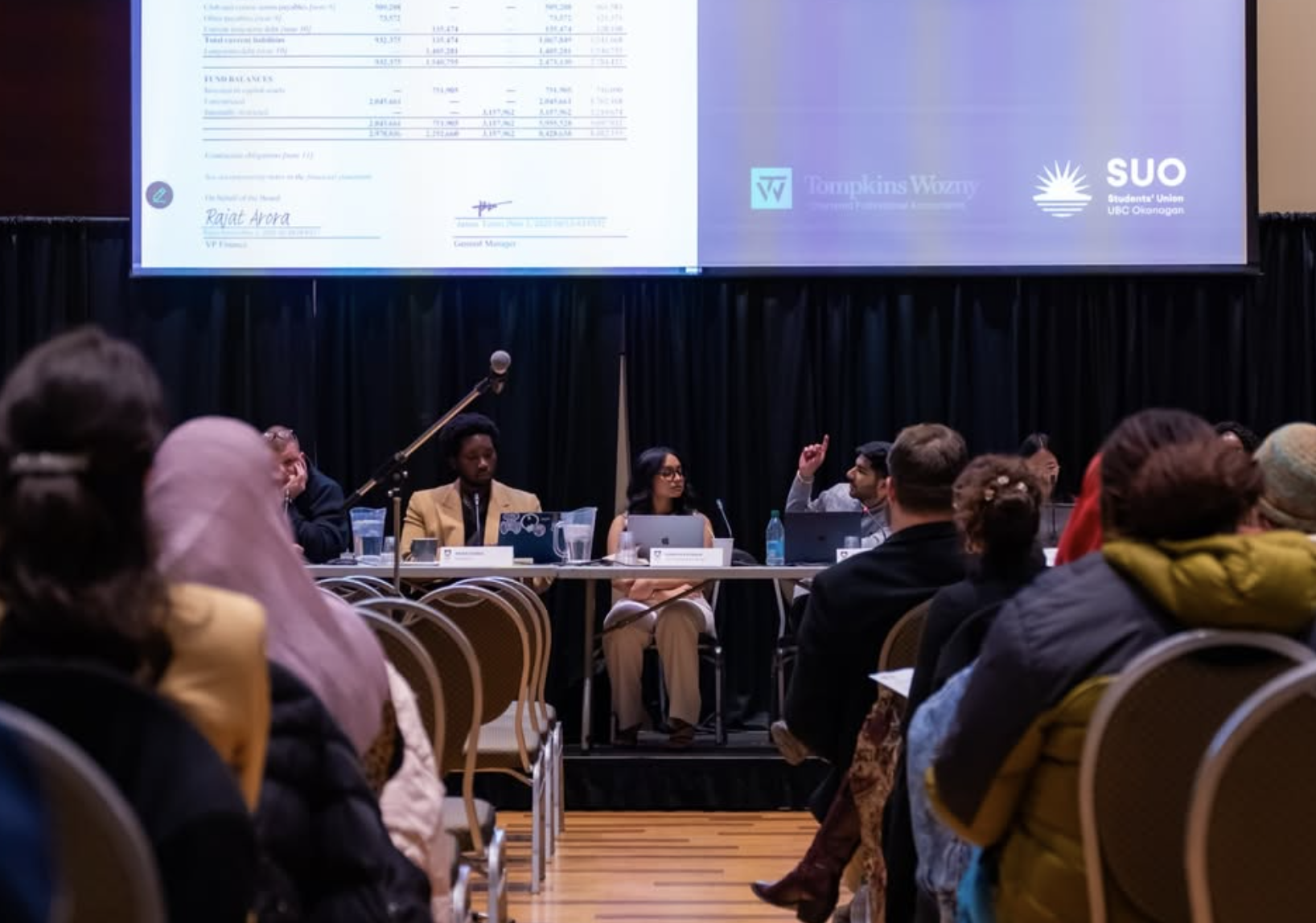
In order to advocate for students in this crucial time, various SUO executives have participated in lobbying efforts to ensure student voices from the Okanagan are heard. SUO Vice-President External, Olivia Lai, stressed that “[students] can only afford tuition because [they] rely on the 2% cap, which creates predictability.”
Lai is also concerned that lifting the cap is not the only issue present, and that separate institutions are at risk of being merged together. UBC Okanagan and Okanagan College appear to be in good standing, but many post-secondary institutions in the Lower Mainland are at a big risk for consolidation. For Lai, this creates issues as students choose their schools and programs based on proximity, enjoyment, and specialty. To merge them would eliminate those incentives.
Administrators and faculty could also be combined and cut to eliminate costs, especially through ongoing concerns of administrative bloat as expressed by Minister Jessie Sunner and Premier David Eby. Lai thinks “consolidation is a short term solution, [but] in the long term they need to put in more funding.”
As of right now, this funding review is set to release sometime after March. Depending on the results, the province could be facing extreme budget cuts. Lai noted that the focus is on improving healthcare, investing in technology, and promoting the trades. This will result in cuts to other programs within the B.C. post-secondary education sphere. Lai expressed that there is still a lot of importance in other education fields, such as the humanities, arts, and sciences; lack of investment in those fields could result in similar problems in the future.
Rural communities are also a huge area of focus for Lai, and there is a need for more investment in the Okanagan as it grows. Lack of funding could result in shortages in the crucial sectors of healthcare, technology, and trades. Access to post-secondary education is important for Lai as she highlights that “university should be a public good, not a luxury.”
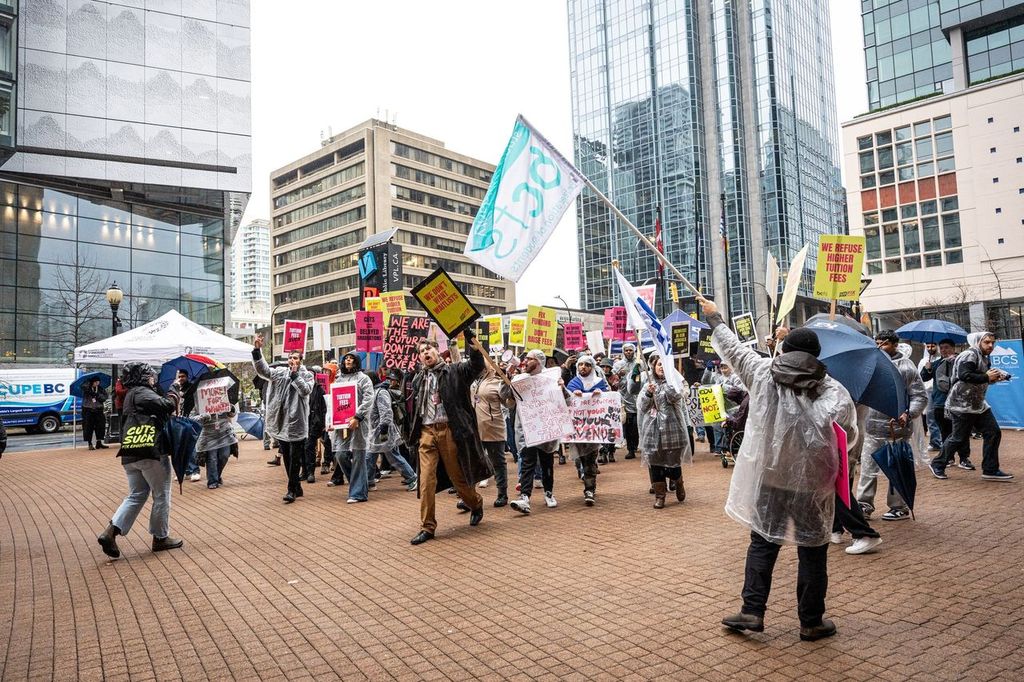
In order to further advocate for students regarding this issue, Lai, alongside other SUO executive members, rallied with the BC Federation of Students (BCFS) to share their concerns regarding the chronic underfunding of post-secondary education. Lai recalled this protest as being successful, as the students were interviewed by Global News, which will give them a greater platform to emphasize the severity of the upcoming funding review. Student leaders came together to “show solidarity and unify their voices,” as Lai commented.
If students at UBC Okanagan wish to further support this cause, Lai encourages students to write to their MLAs, share concerns on social media, and talk with their community. On a conclusive note, she shared: “[this] feels like the government is pinning us against our own community. This needs to be a dinner table conversation — talk to your family, talk to people who don’t go to post-secondary — about the severity of the lack of funding to post-secondary.”