Forget pickleball. Forget intramurals. Who would have thought that our generation’s real competitive sport would be spotting the soft launch?
The term “soft launch” refers to the process of releasing a product or service to a limited audience first, to test the market, gather feedback, and make adjustments before the full-scale launch.
But today, a soft launch means something else. It means subtly hinting on social media that you are seeing someone new — showing just enough for people to assume you are dating while keeping the details intentionally vague.
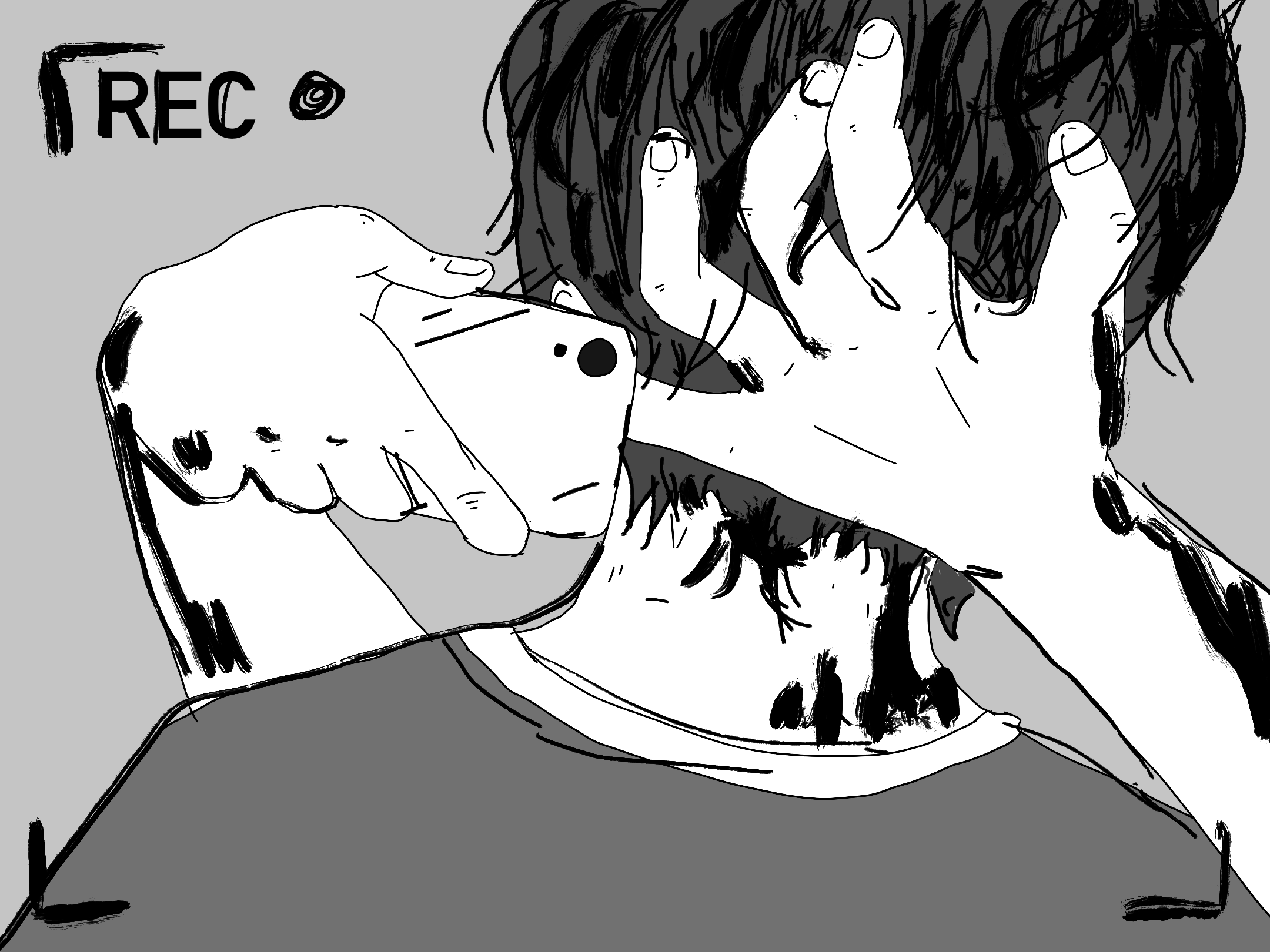
If you have ever played “Where’s Waldo”, you are already trained for modern dating! Today’s version is “where’s the boyfriend?” and the clues are always the same: hand on a knee, a mirror selfie “accidentally” hiding a face, two cups of coffee, hand holding, a blurry silhouette.
In recent times, there has been an explosion of labels and terms for every corner of dating, from situationships to love-bombing to breadcrumbing. At this point, if you are not knee-deep in the dating pool, chronically online, or both, you might as well make a glossary and keep it in your back pocket to keep track.
This overload of terms does not just sit on our tongues for fun, they shape how people interpret love, relationships, and boundaries. What counts as “normal”, what is “too much”, what qualifies as a red flag, what is an “ick” — the constant over-analysis takes the enjoyment out of dating and becomes overwhelming. Soft launching is just one of the newest and weirdly powerful pieces of this already chaotic puzzle.
But why has soft-launching become such a big deal? Why does curating your relationship online feel like a tiny PR job — avoiding labels, delaying tags, keeping things vague and mysterious to “protect the vibe”?
It is not that some are just private people. It is that posting feels high stakes, especially in universities where everyone shares mutuals and one story can turn into campus lore by lunch.
There may be valid reasons for the phenomenon. Sometimes it is privacy. Sometimes it is superstition, where you do not want to jinx it. Sometimes it is defensive, so if it ends, you do not have to delete evidence like it is a crime scene. Sometimes it is just part of the appeal of the mysterious image you want to curate of yourself.
Some students I spoke to described soft launching like a safety feature, like something you do until you know it is real. Others said it is a way to avoid turning your relationship into online content. A few admitted to enjoying the mystery and curiosity — dropping just enough to make friends and followers spiral over this secret somebody, while they sit back and let the speculation do the rest. Almost like the “who could that be?” frenzy makes it all the more exciting.
Relationship visibility has become a reputational decision now.
Yet often these posting norms do not just live on Instagram; they seep into real trust dynamics. To one person, soft launching is a healthy boundary. To the other, it can feel like being carefully edited out. That is where it stops being an aesthetic choice and starts becoming an actual relationship issue. Now you are not just dating, you are negotiating how visible you are allowed to be.
Relationships have always had public and private parts. People have always struggled with what to share and what to keep to themselves. Social media just cranks up the amount of attention we give it to an absurd volume.
Now, you are not telling a few friends over dinner anymore; you are handing out clues to hundreds of people on the internet, essentially inviting them to witness and to build a version of your relationship from whatever you have posted. Once the audience is watching, their reactions — likes, comments, or lack thereof — start messing with your own head and can change the way you think about your own happiness.
Perhaps the problem with soft-launching is how much meaning we attach to it. The line between who we are and who we perform as online blurs, until even the most natural and special moments start to feel like content. There is a pressure to match one’s social media identity, and life feels incomplete unless everything is recorded and shared.
No wonder people overthink. Underneath it all, we are not afraid of fame, we are afraid of how we are being perceived. The boyfriend, meanwhile, remains at large.